
Value Addition: The Future of Uganda's Agricultural Exports
Uganda's agricultural sector is rich with opportunity, but the greatest potential lies beyond raw commodity exports. Explore how value addition can unlock higher revenues, create jobs, strengthen industries, and position Uganda as a leading exporter of premium agricultural products.
6/22/20264 min read
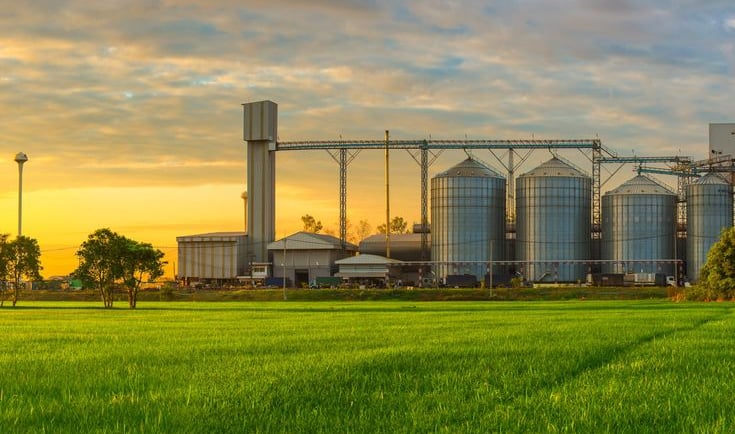
Uganda has long been recognized as one of Africa's agricultural powerhouses. Blessed with fertile soils, favorable climatic conditions, and a hardworking farming population, the country produces a wide range of agricultural commodities that are sought after in regional and international markets. Coffee, vanilla, tea, cocoa, fruits, grains, and oilseeds remain among Uganda's most valuable exports. Yet despite this abundance, a significant portion of these products leaves the country in raw or minimally processed form, limiting the economic benefits that could otherwise be captured locally.
As global markets evolve and consumer preferences shift toward quality, traceability, and branded products, value addition is emerging as one of the most important opportunities for Uganda's agricultural sector. The future of agricultural exports will not simply be determined by how much is produced, but by how effectively products are processed, packaged, branded, and positioned in the marketplace.
Understanding Value Addition
Value addition refers to the process of transforming raw agricultural commodities into products with higher economic value. This may involve cleaning, grading, processing, packaging, branding, or manufacturing finished goods from agricultural inputs.
For example, exporting raw coffee beans generates revenue, but roasting, packaging, and marketing specialty coffee can significantly increase earnings. Similarly, vanilla can be transformed from raw beans into extracts, flavoring products, cosmetics ingredients, and premium consumer goods. The same principle applies across numerous agricultural sectors.
Value addition creates opportunities for businesses to capture a greater share of the supply chain while creating jobs, stimulating industrial growth, and increasing export revenues.
The Limitations of Raw Commodity Exports
For decades, many developing economies have relied heavily on exporting raw materials. While this approach generates foreign exchange earnings, it often exposes producers to volatile commodity prices and limits economic growth.
When raw products are exported, much of the profit is realized elsewhere. Importing countries frequently undertake processing, packaging, branding, and retail distribution, earning substantially higher margins than the original producers.
This model places producers at the bottom of the value chain and reduces their ability to build resilient businesses capable of weathering market fluctuations.
Uganda has an opportunity to shift this dynamic by investing in industries that process agricultural commodities closer to their source of production.
Rising Global Demand for Premium Agricultural Products
Today's consumers are increasingly seeking products that offer quality, sustainability, authenticity, and traceability. Specialty coffee, organic foods, ethically sourced ingredients, and premium natural products continue to experience strong demand across international markets.
This trend presents a unique opportunity for Uganda.
Ugandan coffee is already recognized for its distinct flavour profiles. Ugandan vanilla is among the most sought-after in the world due to its high vanillin content and exceptional quality. The country's tropical fruits, cocoa, and organic agricultural products possess strong potential in premium export segments.
However, accessing these high-value markets requires more than production. It requires consistent quality standards, certifications, modern processing facilities, strong branding, and strategic market positioning.
Building Stronger Agricultural Value Chains
The future success of Uganda's agricultural exports depends on strengthening value chains from farm to market.
This begins with improving post-harvest handling and storage systems. Significant losses continue to occur due to inadequate drying, storage, transportation, and quality control. Investments in infrastructure can help preserve quality and maximize export potential.
Processing facilities also play a critical role. Establishing local processing plants allows agricultural products to be transformed into higher-value goods before export. This not only increases revenue but also creates employment opportunities and stimulates supporting industries.
Equally important is market intelligence. Understanding consumer preferences, regulatory requirements, and emerging trends enables businesses to develop products that meet international standards and command premium prices.
Opportunities in Key Export Sectors
Coffee
Coffee remains Uganda's leading agricultural export and one of the country's strongest opportunities for value addition.
Beyond exporting green beans, businesses can invest in roasting, packaging, and specialty coffee brands targeted at international consumers. The growing demand for premium and ethically sourced coffee presents opportunities to build recognizable Ugandan brands capable of competing on the global stage.
Vanilla
Ugandan vanilla enjoys a strong reputation among international buyers. However, much of the product is still exported as cured beans.
Future growth lies in producing vanilla extracts, flavor concentrates, fragrances, and cosmetic ingredients. These products command significantly higher margins and allow exporters to diversify their revenue streams.
Fruits and Horticulture
Uganda's tropical fruits offer substantial opportunities for processing into juices, dried fruits, concentrates, purees, and natural ingredients for food manufacturers.
Global demand for healthy, natural products continues to rise, creating attractive export markets for value-added fruit products.
Cocoa
As demand for premium chocolate and sustainable cocoa increases worldwide, Uganda has an opportunity to expand beyond raw cocoa exports into cocoa powder, cocoa butter, and finished chocolate products.
Strategic investment in processing can position Uganda as a recognized player within global cocoa value chains.
The Role of Technology and Innovation
Technology is becoming increasingly important in modern agriculture and export industries.
Digital platforms can connect producers directly with buyers. Precision agriculture tools can improve productivity and quality. Traceability systems can provide transparency throughout the supply chain, strengthening consumer trust.
Advancements in food processing technology also enable businesses to produce higher-quality products that meet international standards while reducing waste and improving efficiency.
Companies that embrace innovation will be better positioned to compete in increasingly sophisticated global markets.
The Importance of Partnerships
Value addition cannot be achieved by individual farmers or businesses alone. It requires collaboration among producers, processors, investors, financial institutions, policymakers, and international partners.
Strong partnerships help facilitate access to capital, technology, expertise, and markets. They also create opportunities to develop integrated value chains that benefit all participants.
For investors, agriculture presents opportunities not only in farming itself but also in logistics, processing, packaging, cold storage, transportation, and export services.
Looking Ahead
Uganda stands at an important crossroads in its agricultural development journey. The country's natural advantages provide a strong foundation for growth, but long-term success will depend on moving beyond the export of raw commodities.
The future belongs to businesses that can transform agricultural products into premium, market-ready goods that meet the evolving demands of global consumers. By investing in value addition, Uganda can increase export revenues, create employment, strengthen rural economies, and enhance its position within international markets.
Agriculture has always been one of Uganda's greatest assets. The next chapter of growth will be defined not only by what the country produces, but by the value it creates.
At Velamar Holdings, we believe that sustainable economic growth is built upon innovation, strategic investment, and the development of resilient value chains. As Uganda's agricultural sector continues to evolve, value addition represents one of the most compelling opportunities for businesses, investors, and entrepreneurs seeking to participate in the country's future growth story.
Contact
Reach out to Velamar Holdings anytime.
Phone
info@velamarholdings.com
+256 778 906 829
+256 753 171 363
© 2026. All rights reserved.
Velamar Holdings Company Limited